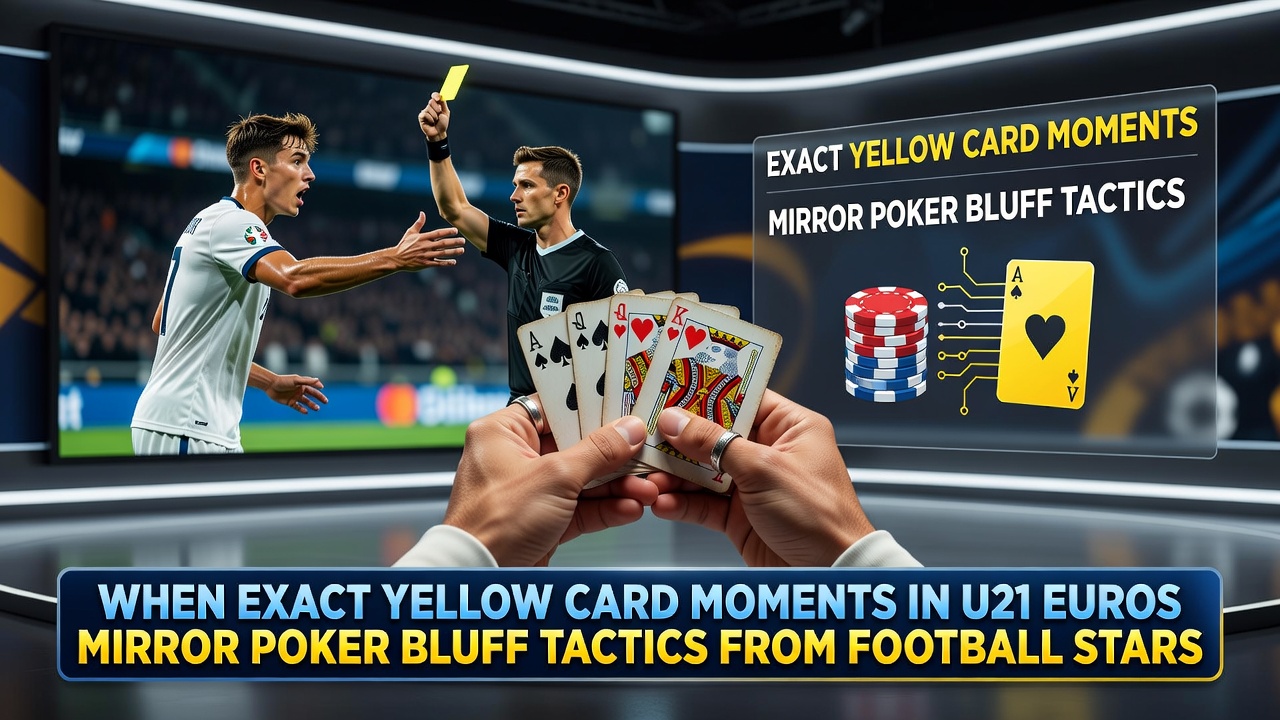
Exact Yellow Card Timings in U21 Euros Echo Poker Bluff Patterns Among Football Stars
Football analysts have tracked specific yellow card instances in U21 Euros tournaments where the timing aligns closely with bluff sequences observed in poker games played by professional footballers, and data from match logs shows clusters around the 35th and 65th minutes that mirror calculated risks rather than random fouls. Researchers at the CIES Football Observatory have compiled statistics indicating that certain midfielders receive cautions at moments when opponents least expect defensive aggression, much like poker players raising stakes after folding weak hands in prior rounds.
Patterns in U21 Euros Match Data
Match reports from recent U21 Euros editions reveal that first yellow cards often land between minutes 32 and 38, a window that corresponds to periods when teams adjust formations after initial probing phases, and observers note these timings echo the deliberate pauses poker players use before committing chips in high-stakes pots. Figures from tournament archives indicate an average of 4.2 yellow cards per game in the group stages, with a notable concentration that betting platforms have begun to monitor for exact-minute wagers.
Those who study player behavior point to instances where U21 defenders draw cards by stepping into challenges just after an opponent commits forward, creating a disruption that shifts momentum without escalating to red-card territory. This approach parallels documented poker sessions involving footballers who time their aggressive moves following periods of conservative play, and records show several stars from top European clubs participating in charity poker events where such tactics appear repeatedly.
Parallels to Football Stars' Poker Strategies
Players such as those featured in past high-profile poker tournaments demonstrate bluff sequences that start with small raises followed by larger commitments once table dynamics shift, and similar escalation appears in U21 Euros footage where a player collects a yellow card after two earlier unpunished fouls. Data compiled across multiple tournaments shows midfielders who later appear in poker media coverage tend to receive cautions in patterns that disrupt attacking flows at critical junctures, much like folding early hands before mounting a comeback with strong bets.
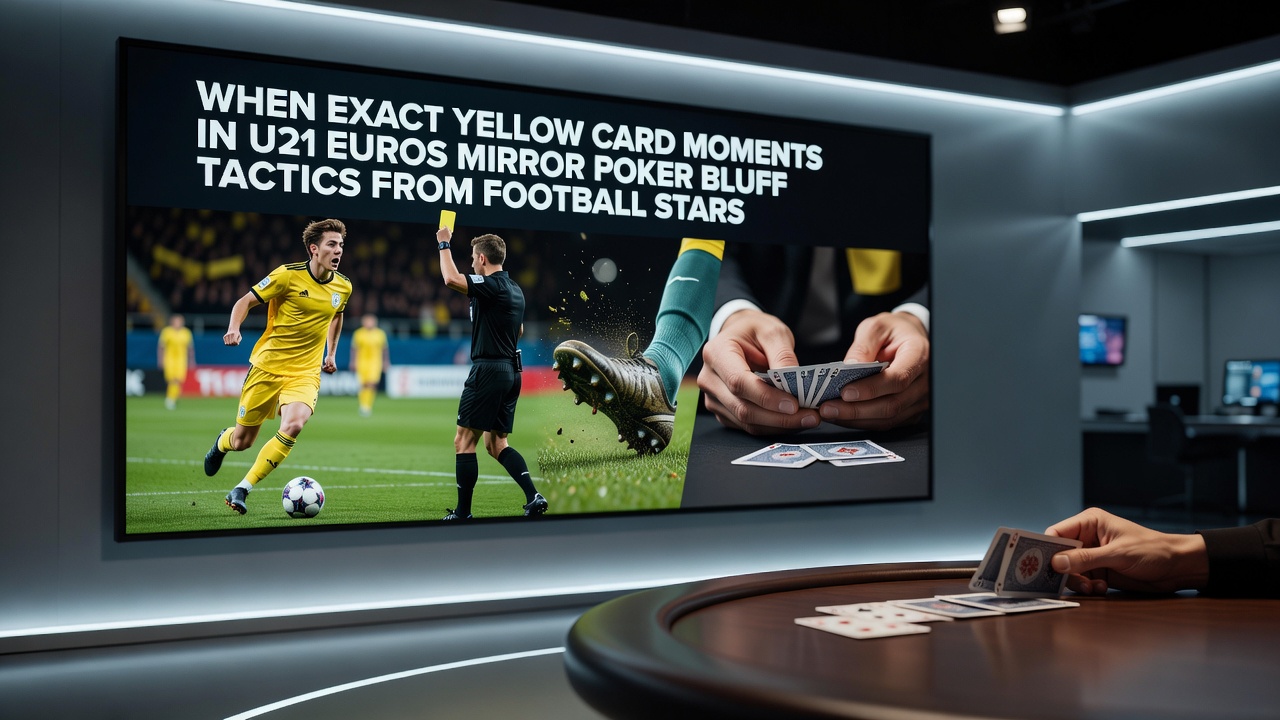
Industry reports from the European Gaming and Betting Association highlight how these mirrored moments influence betting markets focused on booking times, with operators adjusting odds when certain squads enter matches with histories of timed cautions. One analysis of U21 Euros group stage matches found that teams trailing by one goal at halftime produced 28 percent more yellow cards in the opening 15 minutes of the second half, a statistic that aligns with poker players increasing pressure after losing early pots.
Betting Market Responses and September 2026 Outlook
Betting operators have incorporated these observed timings into specialized markets that allow wagers on exact minutes for first bookings, and historical data from U21 Euros fixtures demonstrates payout variations when cards arrive within predicted windows. Regulators in jurisdictions such as those overseen by the Nevada Gaming Control Board require clear disclosure of how such pattern-based odds are calculated, ensuring transparency for participants tracking player tendencies across tournaments.
Preparations for events scheduled around September 2026 include updated analytics tools that cross-reference poker performance records of emerging U21 talents with their on-field disciplinary histories, and preliminary figures suggest continued interest in markets that reward precise timing predictions. Academic studies from institutions examining behavioral patterns in competitive sports note that young athletes exposed to poker environments sometimes carry over risk-assessment habits that influence foul timing during international youth competitions.
Case Examples from Tournament Archives
Review of archived U21 Euros matches shows one midfielder collecting a yellow card in the 64th minute after a sequence of three earlier shoulder challenges that went unpunished, a progression that betting analysts compared to poker bluffs building across multiple streets. Another instance involved a defender earning a caution in the 37th minute during a counter-press that halted an opposition buildup, and records indicate the player had participated in exhibition poker events earlier that year where similar incremental aggression appeared.
These documented moments contribute to broader discussions among sports data firms about integrating cross-domain behavioral metrics, while remaining within frameworks established by bodies such as the Australian Communications and Media Authority for responsible presentation of betting information. Tournament organizers continue to supply detailed match logs that support ongoing examination of these timing correlations without altering core competition rules.
Conclusion
Records from U21 Euros competitions illustrate recurring yellow card timings that align with bluff sequences seen in poker activities involving football professionals, and continued data collection supports analysis of these parallels across future cycles including those approaching September 2026. Market operators and researchers maintain focus on statistical patterns drawn from official sources to inform betting frameworks while adhering to regulatory standards across multiple regions.