
The Mechanics Behind Sports Betting Odds and How Promotions Influence Market Participation
Odds calculation in sports betting relies on statistical models that incorporate team performance data, historical results, and external factors such as player injuries or weather conditions, while bookmakers adjust these figures to maintain a profit margin known as the vig or overround. Promotions serve as incentives that operators deploy to attract new participants and retain existing ones, often taking the form of free bets, deposit matches, or enhanced odds on specific events. Observers note that these elements interact directly because promotional offers frequently reference the underlying odds structure to create value for users during periods like October 2026 when multiple leagues operate simultaneously across continents.
Core Components of Odds Formation
Bookmakers begin with raw probability estimates derived from algorithms that process thousands of data points, then convert those probabilities into decimal, fractional, or American formats depending on the target market. Data from regulatory bodies such as the Nevada Gaming Control Board shows that margins typically range between 2% and 10% across major sports, with tighter spreads appearing in high-volume events like football matches. Researchers at institutions including the University of Nevada, Reno have documented how line movements occur in real time as betting volume flows in one direction, forcing operators to shift numbers to balance their exposure. This dynamic process means that early odds often differ substantially from closing lines, creating opportunities for those who monitor shifts closely.
Types of Promotional Structures Commonly Available
Deposit bonuses represent one category where operators match a percentage of incoming funds up to a stated cap, while free bet credits allow participants to place wagers without risking their own capital on the initial stake. Enhanced odds promotions boost the payout on selected outcomes beyond standard market rates, and cashback schemes return a portion of losses over a defined period. Industry reports from the Australian Gambling Research Centre indicate that such offers appear most frequently around major tournaments, yet their terms include wagering requirements that must be met before withdrawals become possible. These requirements function as conditions that convert promotional value into actual play volume on the platform.
Regional Variations in October 2026
European markets tend to emphasize accumulator bonuses that multiply returns when multiple selections succeed, whereas North American operators focus more on same-game parlay enhancements tied to individual player statistics. Australian platforms often highlight multi-bet promotions linked to domestic leagues, and these differences reflect both regulatory environments and consumer preferences documented in cross-border studies. During October 2026 the overlap of domestic seasons in several continents has led operators to layer additional incentives onto standard odds, particularly for midweek fixtures that attract lower natural volume. Figures from the Malta Gaming Authority reveal consistent patterns where promotional uptake correlates with fixture congestion rather than isolated high-profile matches.
Interaction Between Odds and Promotional Value
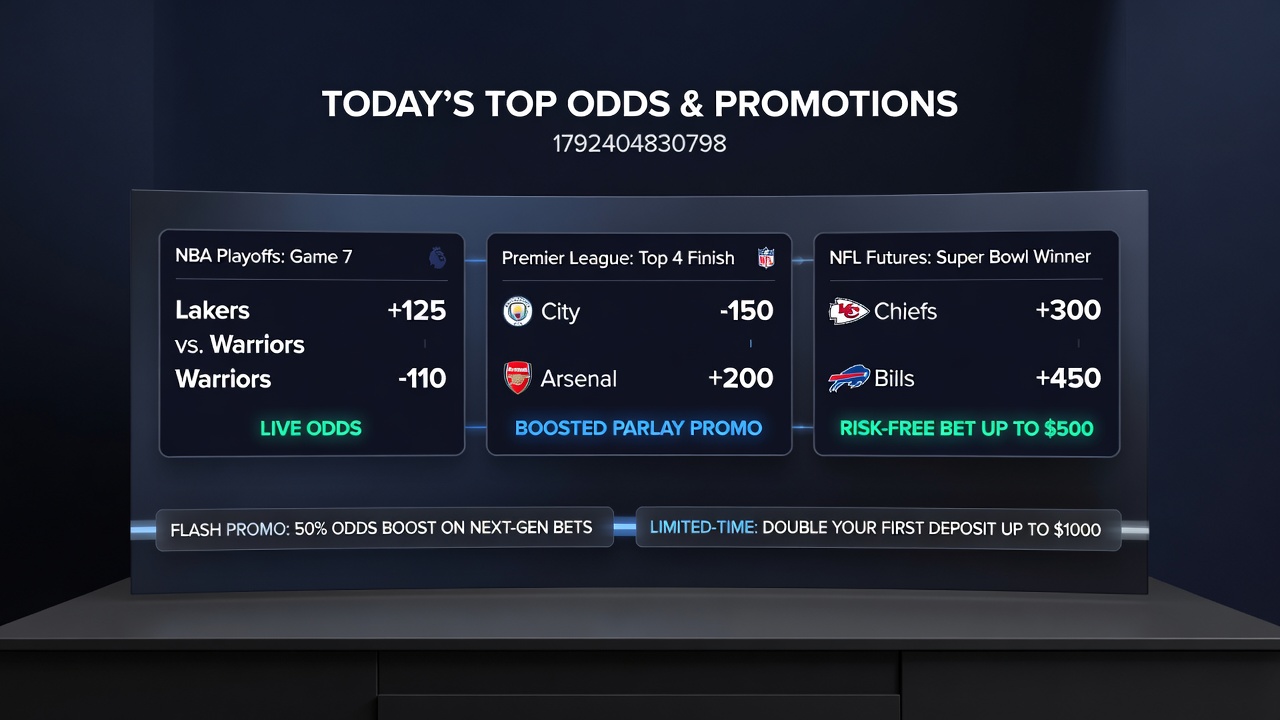
Promotions gain or lose effectiveness based on how they interact with prevailing odds because an enhanced price on an underdog only delivers meaningful value when the base probability assessment aligns with the adjustment. Those who study market behavior observe that operators calibrate bonus terms to offset the vig embedded in standard lines, effectively transferring some margin back to the participant under specific conditions. Academic papers from the University of Sydney have analyzed thousands of promotion instances and found that perceived value peaks when offers coincide with line movements caused by late information, such as team news released hours before kickoff. This timing element explains why many platforms schedule promotional windows around injury reports and lineup announcements rather than fixed calendar dates.
Data Patterns in Promotion Deployment
Analysis of transaction records from licensed operators demonstrates that free bet offers generate higher initial engagement volumes compared with deposit matches, yet retention rates depend more heavily on the quality of ongoing odds rather than one-time credits. Government statistics compiled by the Canadian Centre on Substance Use and Addiction highlight seasonal spikes in promotional activity during shoulder months when fewer marquee events occur, precisely the situation unfolding in October 2026 across several major leagues. Operators adjust both odds margins and bonus generosity in tandem to maintain overall profitability while responding to competitor actions, creating a fluid environment where published terms change frequently within a single week.
Conclusion
Understanding the relationship between odds formation and promotional mechanics requires attention to statistical foundations, regional regulatory differences, and the timing of specific incentives throughout the calendar year. Market participants who track line movements alongside bonus terms gain clearer insight into where actual value resides, while operators continue refining both elements to balance risk and customer acquisition goals. Available data from multiple jurisdictions confirms that these systems evolve continuously in response to volume, competition, and external events rather than remaining static across seasons.